The Etiquette of Japanese Gift Giving
- Recipients often refuse a gift once or even a few times before accepting, to avoid appearing greedy
- Showing up to a dinner party without a gift is considered impolite
- Gift-giving plays a significant role in Japanese business relationships
- Group gifts should be presented to everyone at the same time, not individually
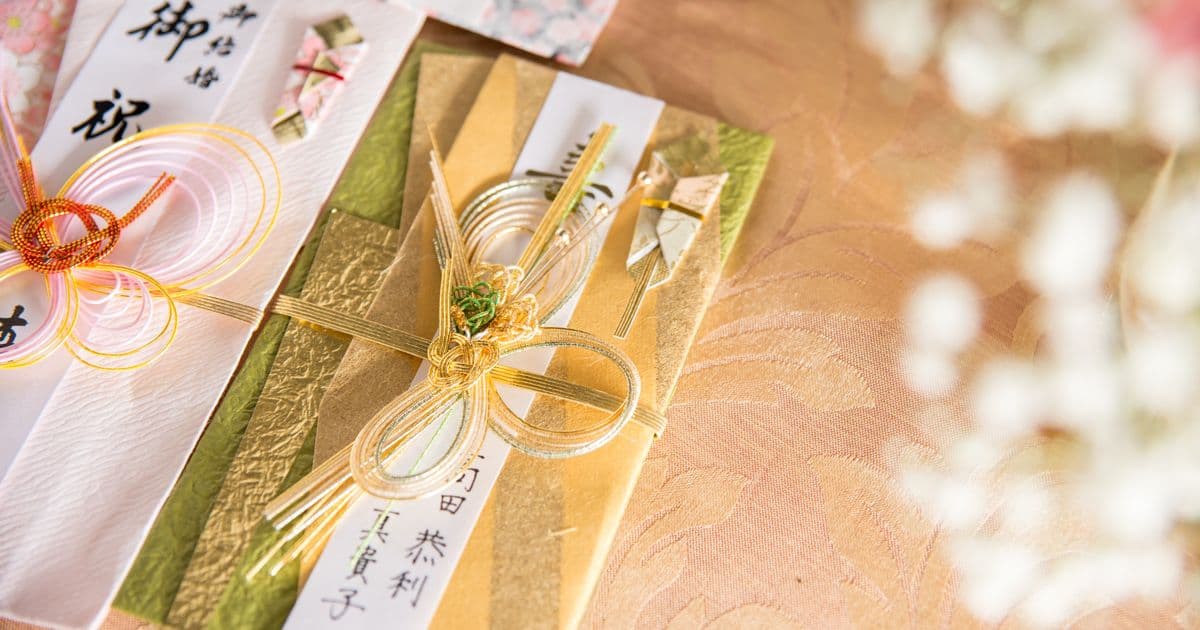
- Every gift is expected to be beautifully wrapped
- Gifts should be given and received with both hands
Furoshiki: Turning the Wrapping Into Part of the Gift
Traditional Japanese gift wrapping often uses handmade washi paper or furoshiki - cloth made from silk, cotton, rayon, or nylon, folded around the gift instead of taped paper. Jennifer Porter, founder of Satsuma Designs, describes furoshiki as reflecting "the Japanese philosophy that the value of the gift is less important than the act of giving," embodying care and sustainability since every part of the wrap is meant to be reused.
Trying Furoshiki Yourself
You don't need authentic washi cloth to try it - a vintage handkerchief, a patterned cloth napkin, or a scrap of lace or fabric all work. A handful of furoshiki folding tutorials are easy to find online if you want to learn a specific knot or wrap style before your next gift.
Frequently Asked Questions
What are the basics of Japanese gift-giving etiquette?
Recipients often refuse a gift once or twice before accepting, to avoid appearing greedy. Every gift should be beautifully wrapped, given and received with both hands, and — for group gifts — presented to everyone at the same time.
What is furoshiki?
Furoshiki is the Japanese tradition of wrapping gifts in cloth — silk, cotton, rayon, or nylon — instead of paper. It reflects the idea that the act of giving matters more than the gift's value, and that the wrapping itself should be reusable.
Is it rude to show up to a Japanese dinner party without a gift?
Yes — bringing a gift is considered standard etiquette for a dinner invitation in Japan, not an optional extra.
Can I make my own furoshiki wrap?
Yes — a square scarf, a vintage handkerchief, or even a patterned cloth napkin all work. A basic furoshiki fold just needs a square cloth centered under the gift, with opposite corners tied over the top in sequence.